Professional Tree & Shrub Trimming Service in Greater Seattle

Professional Tree & Shrub Trimming Service in Greater Seattle
If you own property anywhere in Greater Seattle — from the tree-lined streets of Ballard to the wooded lots of Sammamish or the coastal properties of Edmonds — you already know that the Pacific Northwest’s mild, wet climate is a gift and a curse. It grows lush, green landscapes almost effortlessly, but that same growth can turn into an overgrown, hazardous mess in just one season if it isn’t managed properly. That’s where professional tree and shrub trimming comes in.
Trimming isn’t just about keeping your yard looking tidy for curb appeal (although that’s certainly a nice bonus). It’s a critical part of protecting your property, your family, and your investment. In this guide, we’ll walk through why professional trimming matters so much in the Seattle area, what the process involves, how to choose the right service, and answer the five questions homeowners ask us most often.
Why Professional Tree & Shrub Trimming Matters More in Seattle Than Almost Anywhere Else
Seattle’s climate is uniquely suited to fast, dense plant growth. With roughly 150 days of rain per year and mild temperatures that rarely dip low enough to slow growth for long, trees and shrubs in this region often grow faster and denser than in drier climates. Add in the mix of native evergreens like Douglas firs, western red cedars, and big-leaf maples alongside ornamental landscaping shrubs like rhododendrons, laurel hedges, and boxwoods, and you get a landscape that needs regular, knowledgeable attention.
Here’s why that attention matters so much locally:
Storm Risk Is Real. Seattle experiences frequent windstorms, especially in the fall and winter months, and saturated soil combined with heavy limbs is a recipe for fallen branches or entire trees coming down on roofs, cars, fences, and power lines. Proper trimming reduces “wind sail” on a tree’s canopy, making it far less likely to suffer storm damage.
Pest and Disease Pressure. The wet climate that makes everything grow so beautifully also creates ideal conditions for fungal infections, root rot, and pest infestations. Overgrown, poorly ventilated shrubs and trees are more susceptible to problems like laurel shot hole, powdery mildew, and various beetle infestations. Regular trimming improves airflow and lets an arborist spot early warning signs before they become expensive problems.
Property Value and Curb Appeal. Realtors across King, Snohomish, and Pierce counties consistently point to well-maintained landscaping as one of the top factors in a buyer’s first impression. Overgrown, leggy shrubs and trees with deadwood make a home look neglected, even if the house itself is immaculate.
Utility and Sidewalk Clearance. Seattle City Light and other regional utilities have clearance requirements for trees growing near power lines. Overgrown branches encroaching on sidewalks or streets can also result in city code violations in Seattle, Bellevue, Tacoma, and surrounding municipalities.
View Preservation. For homeowners fortunate enough to have views of the Puget Sound, Lake Washington, or the Cascades, unmanaged tree growth can slowly but surely block that view over a few seasons. Strategic, professional trimming (often called “view pruning”) can maintain sightlines without harming tree health.
What a Professional Tree & Shrub Trimming Service Actually Involves
A lot of homeowners assume trimming is as simple as cutting back whatever looks overgrown, but a professional service follows a much more deliberate process:
- Site Assessment and Plant Health Evaluation
Before any cutting begins, a certified arborist or trained crew lead walks the property to evaluate each tree and shrub species, its current health, growth pattern, and any visible hazards like deadwood, cracked limbs, or disease indicators.
- Crown Cleaning
This involves removing dead, dying, diseased, or broken branches from a tree’s canopy. It’s often the single most important step for both safety and long-term tree health.
- Crown Thinning
Selectively removing branches throughout the canopy to reduce density, improve light penetration, and reduce wind resistance — critical in a storm-prone region like Seattle.
- Crown Raising
Removing lower branches to provide clearance for pedestrians, vehicles, structures, or simply to open up a view or improve light to shrubs and lawn below.
- Structural and Shape Pruning for Shrubs
For ornamental shrubs and hedges, this includes selective pruning to encourage healthy new growth, maintain a desired shape, and prevent the “hollowing out” that happens when hedges are only sheared on the outside year after year.
- Deadheading and Seasonal Shaping
Removing spent flowers and shaping flowering shrubs like rhododendrons and azaleas at the right time of year to maximize next season’s blooms.
- Debris Removal and Site Cleanup
A professional crew hauls away all clippings, branches, and debris, leaving the property clean — something DIY trimming often can’t match in efficiency.
Best Time of Year to Trim in the Pacific Northwest
Timing matters a great deal in this climate:
- Late Winter (February–March): Ideal for most deciduous trees and many shrubs, since they’re dormant and it’s easier to see branch structure without leaves in the way.
- Early Summer (June): Good for spring-flowering shrubs like rhododendrons and azaleas — prune right after they finish blooming.
- Late Summer/Early Fall: A good window for light shaping and hedge maintenance before fall storms roll in, though heavy pruning is best avoided this close to dormancy.
- Avoid Late Fall Heavy Pruning: Cutting too late in the season, right before winter storms, can stress trees and shrubs going into the cold, wet months.
A professional service will typically recommend a maintenance schedule tailored to your specific plant varieties rather than a one-size-fits-all calendar.
How to Choose the Right Tree Trimming Service in Greater Seattle
Not all trimming services are equal and given the safety risks involved (especially with larger trees near structures or power lines), it pays to be selective. Here’s what to look for:
- Certified Arborists on Staff: Look for ISA (International Society of Arboriculture) certification, which indicates formal training in tree biology and best pruning practices.
- Proper Licensing and Insurance: Washington State requires contractor licensing, and any reputable company should carry liability insurance and workers’ compensation coverage. Ask to see proof before work begins.
- Local Experience: A company that’s worked extensively in Seattle’s specific microclimates — from the drier rain shadow areas east of the Cascades’ foothills to the wetter coastal zones — will understand which species need what kind of care.
- Clear, Written Estimates: Reputable companies provide detailed, written quotes rather than vague verbal pricing.
- Positive Local Reviews: Check Google, Yelp, and Next-door for reviews specific to your neighbourhood, since word-of-mouth reputation carries real weight in tight-knit Seattle communities.
- Sustainable Practices: Many top companies now offer debris recycling or mulching services, which aligns with the region’s strong environmental values.
The Cost of Professional Trimming in the Seattle Area
Pricing varies considerably based on tree size, accessibility, and the scope of work, but homeowners in Greater Seattle can generally expect:
- Small ornamental shrub trimming: Often priced per shrub or by the hour for smaller crews.
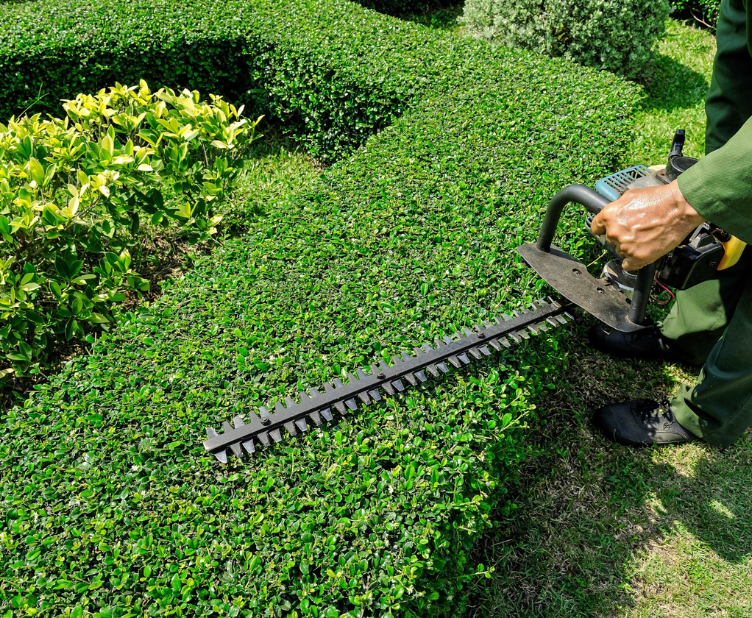
- Hedge trimming: Typically priced by linear foot or by the hour depending on hedge height and density.
- Small to medium tree trimming (under 30 feet): A moderate per-tree rate depending on complexity.
- Large tree trimming (30+ feet, near structures or power lines): Priced higher due to the specialized equipment and safety measures required.
Most companies offer free on-site estimates, which is worth taking advantage of since photos alone rarely capture the full scope of a job.
The Value of Regular Maintenance Over One-Time Fixes
One of the biggest mistakes homeowners make is waiting until a tree or shrub becomes an obvious problem before calling a professional. In Seattle’s growing climate, an annual or semi-annual maintenance plan is almost always more cost-effective than emergency trimming or removal after storm damage or disease has already set in. Regular care also tends to result in healthier, more resilient plants that better withstand the region’s wet winters and occasional summer dry spells.
Frequently Asked Questions
Most ornamental shrubs benefit from trimming once or twice a year, typically in late winter and again after spring flowering shrubs finish blooming. Trees generally need less frequent attention — every two to three years for routine maintenance trimming is common, though young trees benefit from more frequent structural pruning to establish good form early on. Trees near power lines, structures, or with visible deadwood should be inspected annually regardless of trimming schedule.
For small shrubs and hedges within easy reach, DIY trimming with proper tools is often fine. However, for anything requiring a ladder, chainsaw, or work near power lines, hiring a professional is strongly recommended. Improper cuts can cause long-term tree damage, disease entry points, or unsafe regrowth patterns, and the safety risks of climbing or working near electrical lines are significant. A licensed, insured arborist also carries liability protection that a DIY job doesn’t.
When done correctly and at the right time of year, trimming benefits plant health by removing disease-prone deadwood, improving airflow, and encouraging stronger new growth. Damage typically only occurs from improper technique — such as “topping” a tree (cutting the main trunk or leaders indiscriminately) or trimming at the wrong time of year, which can stress the plant or reduce flowering. This is why hiring an experienced local company familiar with Pacific Northwest species matters so much.
Routine trimming generally does not require a permit in most Greater Seattle municipalities. However, tree removal — especially for larger trees — often does require a permit within Seattle city limits and many surrounding cities, and there may be additional protections for trees in environmentally critical areas or designated “exceptional” trees. A reputable trimming company can advise whether your specific project falls under any local regulations and can often help navigate the permitting process for removals.
The terms are often used interchangeably, but there’s a subtle distinction. “Trimming” generally refers to shaping and maintaining appearance, particularly for shrubs and hedges, while “pruning” refers to more targeted cuts made for the health and structural integrity of a tree, such as removing deadwood, correcting crossing branches, or improving canopy structure. In practice, a good professional service will address both aesthetic and health needs during a single visit.
Greater Seattle’s lush, rain-fed landscape is one of the best things about living here, but it demands consistent, knowledgeable care to stay both beautiful and safe. Whether you’re maintaining a single ornamental hedge in Capitol Hill or managing a heavily wooded property in the Eastside suburbs, professional tree and shrub trimming protects your investment, keeps your family and neighbors safe from storm damage, and helps your landscape thrive through every rainy season to come.
If it’s been more than a year since your trees and shrubs had a professional look-over, now is a great time to schedule an assessment — before the next windstorm makes the decision for you.
Ready to Protect and Beautify Your Property?
Get a free, no-obligation on-site estimate from Beauty Gardening Service — Greater Seattle’s trusted tree and shrub trimming experts.